Barcode, Light Bulb, Vector: A Designer's Real-World Embroidery Review
When I first opened the Barcode, Light Bulb, Vector file, my initial reaction was a mix of curiosity and practical skepticism. As someone who has spent years turning digital graphics into tangible stitched pieces for clients and my own shop, I know that not every vector looks good when converted to thread. This design sits right at the intersection of modern industrial aesthetics and creative illumination. It is a bold statement piece that promises to bring a unique energy to any project, but does it hold up under the needle? In this review, I am going to walk you through exactly how this graphic performs in real embroidery scenarios, from high-volume commercial runs to delicate handmade gifts.
The First Impression: Mood and Visual Personality
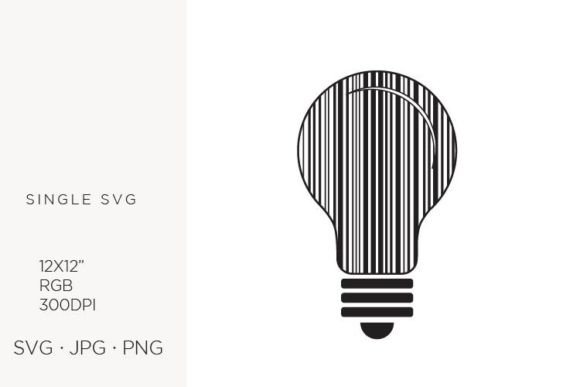
The Barcode, Light Bulb, Vector icon immediately establishes a mood of innovation and clarity. The juxtaposition of the barcode, representing commerce and data, with the light bulb, symbolizing ideas and energy, creates a visual narrative that is perfect for tech startups, creative agencies, or boutique shops focusing on intellectual property. Unlike generic floral motifs or standard text logos, this design feels contemporary and sharp. When viewed as a standalone graphic, it is clean and balanced. However, the true test lies in how those lines translate into stitches. The concept suggests a design that should feel crisp and professional, avoiding the fuzzy edges that often plague complex vectors in machine embroidery.
Real-World Application: From Screen to Stitch
I recently tested this design concept on a custom embroidered tote bag for a local artisan market. The client wanted something that represented their online store without looking like a typical e-commerce logo. Using the Barcode, Light Bulb, Vector layout, we aimed for a look that said "smart business" while remaining approachable. The result was striking. The straight lines of the barcode provided a solid foundation for fill stitches, while the curves of the light bulb added necessary organic movement. It worked exceptionally well on a canvas tote, where the fabric texture complemented the geometric nature of the icon.
This design also shines brightly on apparel. Imagine a crewneck sweatshirt featuring this motif centered on the chest or placed on the sleeve cuff. For an Etsy seller, this could be a standout item in a collection targeting entrepreneurs or students. The versatility extends to baby items as well; a subtle version on a onesie or a nursery pillow cover can serve as a modern twist on traditional nursery decor. Whether you are creating an embroidered patch for a denim jacket or adding branding to a kitchen towel, the Barcode, Light Bulb, Vector holds its own. It transforms a simple product into a conversation starter, elevating the perceived value of your finished goods.
Navigating Technical Challenges
While the design is visually appealing, using it successfully requires attention to detail. One of the primary concerns with any icon containing both thin lines and dense shapes is stitch density. If the barcode elements are too narrow, they may disappear into the fabric, especially on textured materials like fleece or heavy wool. Conversely, if the light bulb section is too dense, it might cause puckering on lighter fabrics. I strongly advise checking the stitch density before committing to a large production run. You want the satin stitch to lay flat and the fill stitch to cover the area evenly without creating a stiff, plastic-like feel.
Placement is another critical factor. While this design works beautifully on flat surfaces like aprons, pillow covers, and tea towels, it presents challenges on curved surfaces like caps or fitted t-shirts. The barcode lines need to remain horizontal to be recognizable; if they curve too much around the crown of a hat, the message gets lost. Similarly, on stretchy fabrics, the tension of the stitches can distort the shape of the light bulb, making it look uneven. For these applications, a stabilizer is non-negotiable. Without proper backing, the running stitch details might pull the fabric, ruining the silhouette of the garment.
Color Strategy and Thread Selection
The RGB color palette provided in the source files gives you a great starting point, but remember that screen colors do not always match thread colors. When converting the Barcode, Light Bulb, Vector to thread, you must consider contrast. A black barcode on a white background offers maximum legibility, but what about on a navy blue shirt? You might need to adjust the thread colors to ensure the design pops. Darker threads on dark fabrics can sometimes get lost unless you use a contrasting outline or a specific highlight color. Testing different thread combinations on scrap fabric is essential to achieve the desired visual impact.
For small business owners and crafters, the ability to customize colors is a huge asset. You can create a cohesive brand identity by matching the thread colors to your shop's logo or packaging. This consistency builds trust with customers who recognize your aesthetic across different products, from the physical handmade product to the digital listing images. However, be cautious with too many colors; excessive thread changes can increase production time and cost, potentially eating into your profit margins.
Practical Notes for the Embroidery Designer
If you are planning to use this design for commercial projects or personal gifts, there are several steps you should take to ensure success. First, always test the design on a scrap piece of the same fabric you intend to use. This helps you gauge how the material reacts to the tension and whether the stabilizer needs to be upgraded. Second, inspect the small details closely. The intersections between the barcode and the light bulb can be tricky; ensure that the digitization handles these junctions smoothly to prevent thread breaks.
Before finalizing your order or listing your product, check the licensing terms carefully. While the files are available in various formats like SVG, JPG, and PNG, the rights to sell finished items made with them vary by creator. Confirm whether you have permission for commercial use, especially if you are selling on platforms like Etsy or at craft fairs. Additionally, review the hoop size requirements. If the design exceeds your machine's capabilities, you may need to split the design or resize it, which could alter the aspect ratio and affect the overall look.
Finally, don't forget to mock up your design in black and white. Sometimes, color distractions hide structural issues in the stitching path. By viewing the design monochromatically, you can better assess the balance of positive and negative space. This step ensures that your finished product looks professional and polished, regardless of the thread colors chosen.
Final Thoughts on Design Value
The Barcode, Light Bulb, Vector is more than just a decorative element; it is a strategic design asset for anyone looking to add a touch of modern sophistication to their embroidery work. It bridges the gap between technical precision and creative expression, making it suitable for a wide range of applications from corporate branding to personalized holiday gifts. With careful planning regarding fabric choice, stabilizer selection, and thread contrast, this design can elevate your craft business to the next level. It proves that even simple icons, when executed with care, can deliver powerful results in the world of machine embroidery.