Mandala Monogram Letter E Review
As a designer who has spent years stitching out custom orders for boutiques and personal clients, I approach every new embroidery file with a mix of excitement and skepticism. There is nothing worse than downloading a "ready-to-stitch" asset only to find the details are too fine for the fabric or the layout looks awkward on a garment. Recently, I put the Mandala Monogram Letter E to the test to see if it truly holds up in a real-world commercial setting. This isn't just another generic graphic; it is a vector-based element that promises a blend of intricate artistry and clean typography.
First Impressions: The Mood and Visual Personality
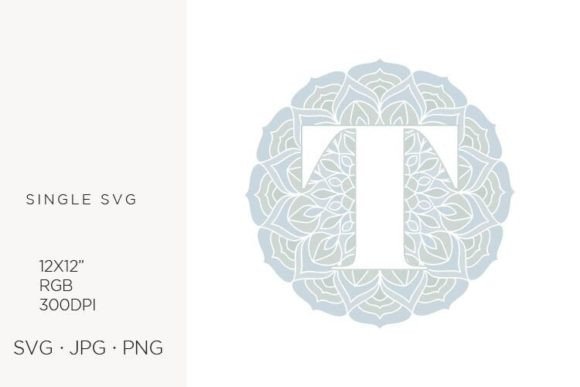
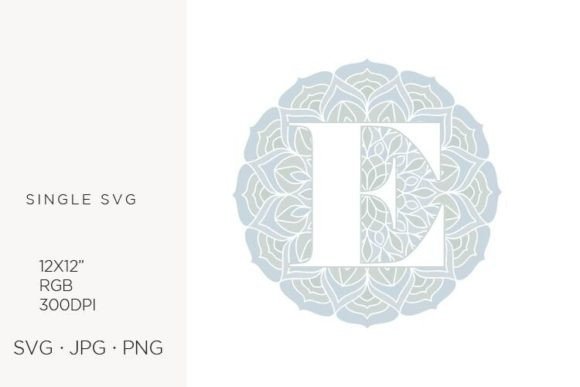
The moment you open the files, the Mandala Monogram Letter E strikes a balance between bohemian elegance and structured symmetry. Unlike standard monograms that often feel stiff or corporate, this design breathes with organic flow. The mandala elements wrap around the letter in a way that feels intentional rather than crowded. It creates a mood of warmth and sophistication, making it an ideal candidate for high-end handmade products.
The visual personality here is distinct. It suggests a brand that values craftsmanship and detail. For an Etsy seller or a small shop owner, this is exactly the kind of design asset that elevates a product from a simple commodity to a personalized gift. The vector nature ensures that the lines remain crisp, which is crucial when translating digital art into physical thread. It feels like a piece meant to be admired, not just worn.
Real-World Application: From Screen to Stitch
To truly evaluate this machine embroidery design, I imagined using it for a specific project: a line of custom embroidered tote bags for a local artisan market. The goal was to create a signature look for a boutique selling handmade soaps and candles. The Mandala Monogram Letter E seemed perfect for branding these items.
When I mapped out the placement on a canvas tote, the symmetry worked beautifully. The circular mandala structure anchors the letter, preventing it from looking lost on the large surface area. However, the transition from digital preview to stitched reality requires careful planning. If I were to use this for a sweatshirt embroidery project, the density of the fill stitches would need to be balanced against the softness of the fleece. Too much stitch density could make the fabric pucker, ruining the drape of the garment. But on a sturdy tote bag or a thick apron, the design shines.
I also considered its potential for baby items. A soft onesie or a nursery pillow cover featuring this embroidery project would look incredibly charming. The mandala theme is gentle enough for a nursery decor item while remaining stylish enough for adult apparel. It bridges the gap between playful and professional, a rare quality in digital graphics.
Where to Use It With Caution
While versatile, no single design fits every scenario. There are specific areas where the Mandala Monogram Letter E might struggle if not handled correctly. First, consider the hoop size. If you attempt to stitch this on a very small patch or a tiny cap brim, the outer mandala details might get lost or cut off. Small hoop sizes often compress fine details, turning delicate curves into muddy blobs.
Fabric texture is another critical factor. On stretchy fabrics like jersey knit t-shirts, the tension required to hold the complex geometry of the mandala can cause puckering. You would need a high-quality stabilizer and perhaps a temporary spray adhesive to keep everything flat during stitching. Similarly, thin fabrics like silk or chiffon are risky unless you are using a lightweight mesh backing. The weight of the threads used for the fill stitch and satin stitch sections could overwhelm the material.
Dense stitch areas are also worth noting. If the original file uses a high stitch count to achieve the mandala's detail, running it through a machine without adjusting the density might lead to thread breaks or needle deflection. Always check the stitch density before committing to a full production run. Additionally, if you plan to wash the finished product frequently, such as kitchen towels or work aprons, ensure the thread colors are colorfast. The contrast between the thread and the fabric must be sharp to maintain the integrity of the design over time.
Impact on Product Value and Customer Trust
In the world of commercial embroidery, the quality of the design directly influences customer perception. A sloppy or overly dense monogram can make a business look amateurish. Conversely, a well-executed finished product builds trust. The Mandala Monogram Letter E, when stitched correctly, adds a layer of perceived value. It signals to the buyer that care was taken in the creation process.
This design works exceptionally well for personalized gifts. Whether it is a wedding favor, a holiday gift, or a graduation present, the unique shape of the letter combined with the artistic mandala creates a memorable keepsake. Customers appreciate designs that feel custom-made, even if they are using pre-made digital files. The intricate details invite closer inspection, encouraging engagement and positive reviews for your craft business.
For apparel decorators and digital product sellers, having a cohesive library of assets like this helps maintain brand consistency. Using a design that feels polished across all your listings—from printable mockups to actual garments—reinforces professionalism. It transforms a simple tote bag design into a statement piece.
Practical Designer Notes for Success
Before you rush to load this into your embroidery machine, there are several technical steps you must take. First, always test the design on scrap fabric that matches your final project. This allows you to gauge how the thread colors interact with the background and whether the stabilizer choice is sufficient. Do not skip this step; it saves money on ruined materials.
Review the stitch types carefully. Ensure that the running stitch areas are not too sparse, as they may not catch the fabric properly, while the satin stitch sections should be wide enough to avoid thread breakage. Check the file formats provided (SVG, JPG, PNG) to ensure compatibility with your digitizing software. Since the product description mentions Adobe Illustrator, verify that your conversion process preserves the vector paths accurately.
If you are planning to sell finished items, double-check the licensing terms. Not all graphics allow for commercial use in physical goods. Confirming these rights protects your small shop product line from legal issues. Also, inspect the small details in the mandala loops. If they are too fine, consider simplifying them slightly in your digitizing software to ensure clarity after stitching.
Finally, compare light and dark fabric backgrounds. The Mandala Monogram Letter E might require different thread palettes depending on the base material. On a white shirt, a dark thread offers high contrast, but on a navy hoodie, you might need a metallic or bright thread to make the design pop. Testing these variations will help you deliver a custom apparel item that meets client expectations.
Ultimately, the Mandala Monogram Letter E is a strong contender for anyone looking to add a touch of artistic flair to their embroidery projects. It is not a magic bullet that solves every technical challenge, but with proper preparation and attention to detail, it can elevate your embroidery project from good to great. Whether you are creating holiday embroidery pieces or building a robust inventory for your online store, this design offers the versatility and visual appeal needed to succeed in today's competitive craft market.