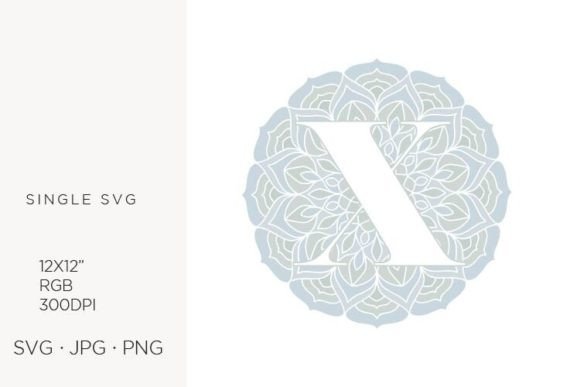
Mandala Monogram Letter T Review
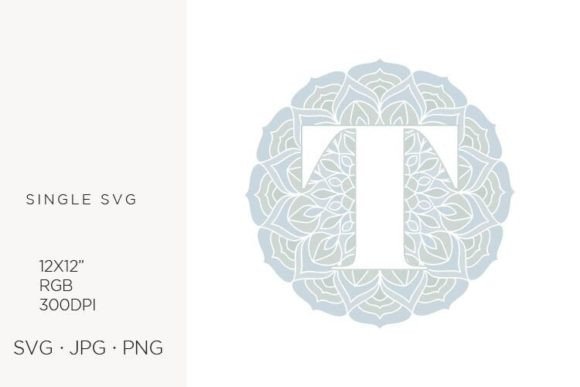
I have spent years reviewing digital assets for my own boutique and for clients, so I know that the difference between a design that looks good on a screen and one that stitches beautifully is often in the details. When I first opened Mandala Monogram Letter T, my immediate reaction was about the balance of complexity and clarity. It is not just another standard monogram; it carries a specific mood. The mandala elements surrounding the letter T suggest elegance, structure, and a touch of bohemian flair. This isn't a design you would slap onto a rugged work shirt or a children's onesie meant for mud play. Instead, it feels perfectly at home on premium cottons, linen blends, and structured fabrics where detail can shine.
The visual personality of this piece is sophisticated. In the world of embroidery, a design like this serves as a focal point. It commands attention without screaming for it. For an Etsy seller or a small business owner looking to elevate their product line, this file offers a way to create items that feel custom-made and high-end. The intricate lines promise a finished product that customers will appreciate for its craftsmanship, provided the execution matches the digital promise.
From Screen to Stitch: A Real-World Scenario
Let me walk you through how I envision using Mandala Monogram Letter T in a real project. Imagine you are preparing for the holiday season and need to create a personalized gift set for a client who runs a local yoga studio. You want something that feels spiritual yet professional. You decide to embroider a tote bag with this specific design.
When I ran the file through my digitizing software, the first thing I noticed was how the vector-based nature of the graphics translates to potential stitch paths. The mandala petals radiating from the center of the "T" offer excellent opportunities for satin stitch work, which gives that smooth, glossy finish essential for luxury branding. However, because the design includes fine lines typical of mandala art, I had to be strategic about placement. On a canvas tote bag, the fabric is thick enough to support the density required for the central letter, but the outer details might get lost if the hoop size is too large or the stabilizer is insufficient.
In this scenario, the customer receives a bag that doesn't just say "Yoga," but says "Studio Quality." The Mandala Monogram Letter T acts as a subtle badge of identity. It elevates a simple tote into a branded asset. If you were making baby clothes, the same design could be used on a christening gown or a nursery wall hanging, where the soft curves of the mandala complement the delicate nature of infant products. The versatility here is significant, but only if you respect the limitations of the machine and the fabric.
Navigating Fabric Challenges
While the design is beautiful, experienced designers know that context is everything. Mandala Monogram Letter T has a level of detail that requires careful consideration regarding fabric choice. If you plan to use this on a stretchy knit fabric like a jersey t-shirt, you must proceed with caution. The intricate loops of the mandala could distort if the fabric stretches during stitching, leading to puckering that ruins the symmetry.
For best results, stick to stable fabrics such as denim, heavy cotton, or woven linens. If you are working on a cap or a curved surface, the design needs to be scaled appropriately. The dense fill areas around the letter T might not lay flat on a curved brim unless you use a very specific stabilization technique. Similarly, on dark fabrics, the thread colors chosen will make or break the visibility of the fine mandala lines. Light threads might get lost against a black background, while dark threads on white fabric could appear too heavy and block out the delicate details of the artwork.
This is why testing on scrap fabric is non-negotiable. Before you commit to a final product for sale, stitch the Mandala Monogram Letter T on a piece of your actual target material. Check the stitch density. Does the underlay hold the fabric tight enough? Are the tiny corners of the mandala sharp, or do they look muddy? These questions determine whether your finished product looks like a professional job or a hobbyist mistake.
Visual Appeal and Brand Consistency
In the competitive market of handmade goods, presentation is key. A design like Mandala Monogram Letter T adds an immediate layer of perceived value. When a customer sees a monogram with this much thought put into its geometry, they perceive the entire brand as more trustworthy and established. It signals that the maker cares about aesthetics and precision.
For commercial embroidery projects, this file works well as a signature element. Whether you are creating embroidered patches, aprons for a coffee shop, or pillow covers for a boutique hotel, the design provides a consistent visual language. The "Icons" category it falls under suggests it can be paired with other graphic elements, but in embroidery, it often stands alone effectively as a centerpiece. It creates a sense of recognition. Over time, customers will associate that specific mandala style with your brand name.
However, there are situations where this design should be used carefully. If you are designing for a product that requires frequent washing, such as kitchen towels or work uniforms, ensure that the stitch density is robust enough to withstand wear and tear without fraying. Also, avoid placing the design on textured fabrics like bouclé or heavy fleece unless you have specialized equipment. The texture can obscure the fine details of the mandala, turning a crisp design into a blurry mess.
Practical Notes for the Designer
Before you hit the start button on your machine, there are several technical checks you need to perform. First, verify the file formats. The description mentions SVG, JPG, and PNG files made in Adobe Illustrator. While these are great for vector editing and mockups, ensure you have converted them into a format compatible with your embroidery machine (like .DST, .PES, or .EXP) if you are planning to use them directly. Do not assume that a raster image like a JPG will stitch perfectly without proper digitization.
If you are selling finished items, double-check the licensing terms. Just because you bought the file does not always mean you have the right to sell every type of merchandise created with it. Confirm whether the license allows for commercial use on physical goods. Additionally, when selecting thread colors, consider the contrast. A mandala design relies on definition; if the thread color is too similar to the fabric, the design will disappear. Test your thread choices in natural light, as store lighting can sometimes hide flaws that become obvious in sunlight.
Finally, remember that the success of Mandala Monogram Letter T depends on your preparation. Use the right stabilizer to prevent shifting. Check your hoop size to ensure the design fits within the area you can stabilize effectively. Inspect the small details after stitching to ensure no gaps exist in the satin columns. By treating this file with the respect it deserves, you transform a digital graphic into a tangible, high-quality handmade product.
Ultimately, this design is a powerful tool for creative entrepreneurs. It bridges the gap between digital art and tactile craft. Whether you are an Etsy seller looking to expand your catalog or a hobbyist making a special gift, Mandala Monogram Letter T offers a blend of tradition and modernity that resonates with buyers. Just remember: the magic happens in the execution. Take the time to test, adjust, and perfect your process, and you will end up with a finished product that truly reflects the quality of the design itself.